Streamline Legal Document Management with Easy Scanner for Law Firms
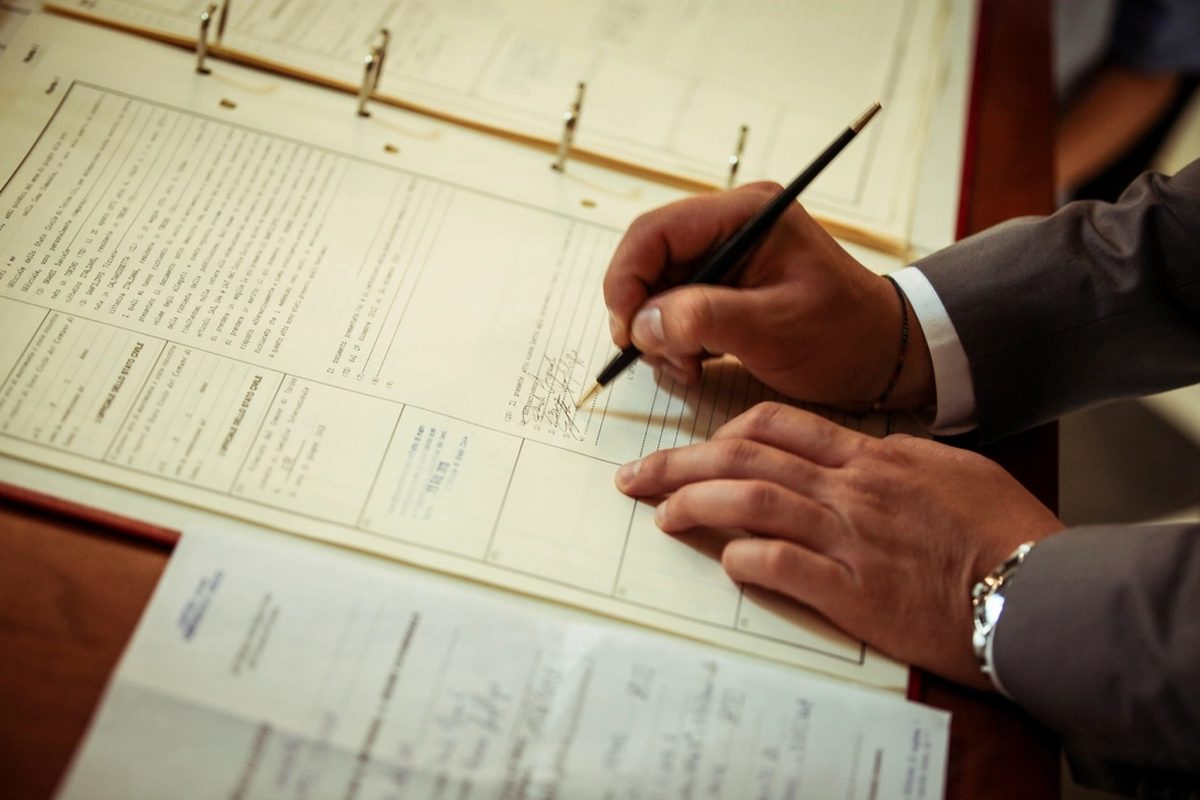
Law firms run on paper: contracts, pleadings, affidavits, discovery boxes. This post walks through five parts of Easy Scanner that help with that load: OCR for text recognition, secure storage and encryption, batch scanning for big cases, automatic file naming and folders, and printing from your phone.
OCR (optical character recognition) for legal documents
Turn printed legal documents into editable text
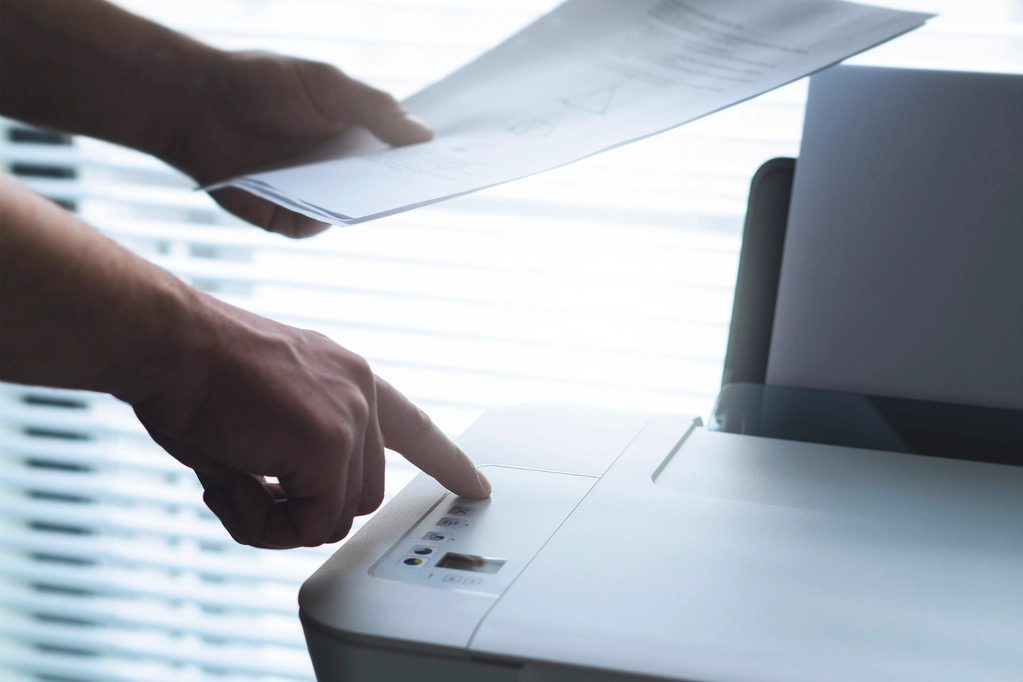
Easy Scanner's OCR reads the text on a scanned page, so a printed contract, case file or court pleading becomes text you can copy and edit. Nobody has to retype a 30-page agreement, and you avoid the typos that retyping brings.
When opposing counsel sends back a marked-up paper draft, a paralegal can scan it, pull out the text and work from that instead of starting over.
Search and find legal information quickly
OCR also makes scans searchable. Once a file has been through it, you can look for a name, a term or a case number instead of paging through by hand. On a matter with thousands of pages, that's the difference between finding the clause in a minute and losing an afternoon. It helps most during case prep, when someone needs a specific document right now.
Pull key details out of documents automatically
Text extraction lets you lift the parts you need, such as client details, a specific contract clause or the facts of a case, without reading every page to find them.
This adds up on large matters with hundreds of documents. Less time hunting through paperwork means more time on case strategy and talking to clients.
Data security and compliance for law firms with Easy Scanner
Client confidentiality and end-to-end encryption
Client confidentiality isn't optional for a law firm. Easy Scanner uses end-to-end encryption, so scanned documents are protected from the moment they're captured until they're stored.
That covers contracts, case files and clients' personal details at every step. If a file were intercepted in transit, the encryption would keep it unreadable to anyone without access.
Legal data protection rules
Many firms have to follow data protection rules such as the GDPR (General Data Protection Regulation) in Europe or HIPAA (Health Insurance Portability and Accountability Act) in the U.S. Easy Scanner's secure storage can be part of how a firm meets those rules: encryption, secure backups and access controls all help keep client data handled properly. Your firm's own policies and compliance review still apply.
Security measures against data breaches
A breach can cost a firm its clients' trust and expose it to liability. Easy Scanner protects digital files with encryption, secure cloud storage and multi-factor authentication, which makes it much harder for an outsider to get into your documents. Pair that with sensible habits on your side, such as strong passwords and locked devices.
Batch scanning for high-volume legal cases
Big cases come with big stacks of contracts, evidence files, affidavits and case documents. With batch scanning in Easy Scanner you scan many pages in one session instead of setting up each file separately. The time you save goes back into case work.
Batch scans also come out in a consistent format, which makes them easier to file. Each one can be sorted, named and archived automatically, so the team can find what they need later. When a filing deadline is close, that matters.
Example 1: class action lawsuits
A class action firm may represent a large group of clients, and that means thousands of pages of documents, evidence and filings. In a case against a corporation, the team might have hundreds of client agreements, affidavits and letters to scan. Batch scanning gets them in quickly, and everything is ready for the legal team to review when they need it.
Example 2: corporate mergers and acquisitions
In M&A work, the firm has to review contracts, reports and financial statements from both companies. There is a lot of it, and a missing document can hold up the deal. With batch scanning, the team can digitize hundreds of contracts and agreements in one session and store them securely. That leaves more time for the parts of the deal that need a lawyer's attention.
Document management features for legal professionals

Rename scanned documents automatically
Easy Scanner can name files automatically using a preset pattern, for example "ClientName_CaseNumber_DocumentType_Date". Every file gets a unique, predictable name, nobody has to rename scans by hand, and the whole firm ends up with the same naming scheme.
Add pages to previously scanned documents
When a matter is ongoing, documents keep growing. Easy Scanner lets you add new pages to a file you scanned earlier. If a client brings in a new affidavit or more evidence, scan those pages and add them to the existing document instead of rescanning the whole thing.
Mobile printing with flexible options
You can print scans straight from your phone or tablet. Choose the paper size (A4, legal, letter and others), color or black-and-white, and one-sided or double-sided. A phone in your bag can scan, organize and print a file without bulky office equipment.
So the documents you need for a hearing, a client meeting or a deposition can be printed where you are, not back at the office.
Access and research legal documents anytime, anywhere
Cases don't wait until you're back at your desk. Easy Scanner keeps your documents on your phone and synced across devices, and you can sort by date or name and arrange files in folders. In a courthouse hallway or a client's lobby, the file you need is a few taps away.
File and folder setup
You can build folders around the way your firm works: by case type, by client, by project status. For a big case, an attorney might set up separate folders for pleadings, evidence, correspondence and research. Less time hunting means more time on the case itself.
Find files by date and name
Sorting by date or name is especially useful for legal professionals who think in filing dates and client names. Sort a case folder by date to see everything from the last month before a hearing, or search a client's name to pull up all their files at once.
Large projects
With several big matters running at once, documents pile up fast. Give each major project its own folder in Easy Scanner, with subfolders for each type of document, so the whole team works from one place. A firm handling an acquisition, for example, might keep separate subfolders for due diligence, contracts, financial statements and correspondence.
A good first step: pick one active matter, set up its folders and naming pattern in Easy Scanner, and scan the next batch of paper that lands on your desk into it. If the setup works for that case, copy it for the next one.